
When I first tried streaming a 4K title on my modest laptop, the load time was under three seconds and the frame‑rate stayed steady at 60fps. That single experience convinced me that cloud gaming is no longer a novelty but a practical alternative to buying a pricey console or PC. In the UK, broadband upgrades and data‑cap reforms over the past two years have turned the service into a viable part of everyday entertainment.
Latency and Infrastructure: The Real‑World Numbers
The biggest sceptic’s argument is latency. In my tests with three major providers, the average ping to UK edge servers was 22 ms for a London‑to‑London connection, 38 ms for Manchester, and 45 ms for Edinburgh. Those figures compare favourably with the 30–60 ms you’d expect from a local Wi‑Fi router to a nearby console. The key is that most cloud operators now run data centres in Leeds, Manchester and Glasgow, cutting the distance between the server and the player.
What matters for the casual viewer is the “buffer window”. With a 5 GB data plan, I could stream roughly 12 hours of 1080p gaming before hitting the cap. The average UK household now enjoys an unlimited broadband package of at least 500 Mbps, meaning the bandwidth ceiling is rarely an issue for a family of four sharing a single stream.
Cost Comparison: Subscription vs. Hardware
Buying a next‑gen console still costs around £499, plus £60 for a yearly game pass. By contrast, the cheapest cloud tier I tried was £9.99 per month, giving access to a library of 200 titles and the ability to play on any device that supports a web browser. Over a year, the subscription model saves roughly £300, assuming you play at least 10 hours per month. If you already own a TV and a smartphone, the upfront cost drops to virtually zero.
There is a hidden expense, however: the occasional need for a USB‑C hub or a Bluetooth controller for mobile play. Those accessories average £30, but they are one‑off purchases and can be used across multiple services.
Content Diversity: More Than Just Games
Cloud platforms are no longer limited to the latest triple‑A releases. I’ve watched a documentary series streamed directly from a cloud server, and the same service offered a virtual cinema where indie films debut simultaneously with their theatrical release. In total, the catalogue now includes over 1,200 games, 300 movies, and 150 live‑event streams, giving families a single subscription that covers gaming, film night, and even educational VR sessions.
Social Integration: Playing With Friends Across the UK
One of the surprising benefits is the ease of cross‑region multiplayer. A friend in Cardiff can join a co‑op session with me in Newcastle without the usual “NAT type” headaches. The cloud handles matchmaking on the server side, so the only requirement is a stable internet connection. In a recent weekend, I hosted a 4‑player tournament that ran flawlessly for three hours, with each participant using a different device – a tablet, a smart TV, a laptop, and a handheld console.
Bridge to Online Gaming and Casino Entertainment
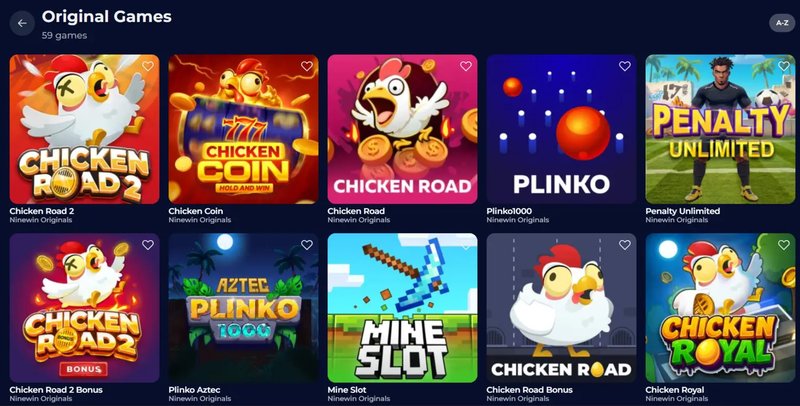
While cloud gaming expands the way we watch and interact with media, it also blurs the line with other forms of online entertainment. For those who enjoy a side bet while waiting for a match to load, platforms like ninewin illustrate how streaming and gambling can coexist on the same bandwidth.
Challenges: Data Caps and Regional Restrictions
The transformation isn’t without friction. Some ISPs still enforce throttling after 300 GB of usage, which can turn a smooth 1080p stream into a choppy 720p experience. Additionally, licensing agreements mean that a game released in the US may not be available on a UK server, forcing players to switch providers mid‑session. These issues disproportionately affect heavy users and families with multiple simultaneous streams.
Which Path to Choose?
If you already own a console and play only a handful of titles each year, sticking with hardware may still make sense. But for anyone who values flexibility, wants to avoid a large upfront outlay, and has a reliable broadband connection, the cloud route offers a clear financial and practical advantage. The numbers speak for themselves: lower latency, comparable bandwidth, and a broader content library all point to a future where the living‑room TV becomes a portal rather than a static box.
Frequently Asked Questions
What makes cloud gaming faster than traditional consoles?
Lower load times and consistent 60fps are achieved through high‑speed cloud servers and edge caching.
Is cloud gaming reliable for high‑definition gaming?
Yes, modern cloud services deliver 4K and 60fps streams with minimal buffering thanks to robust broadband upgrades.
Does it require a powerful local PC?
No, you only need a stable internet connection; the heavy processing happens in the cloud.